لطفا منتظر بمانید ...
0% Complete
English
☰
صفحه اصلی
کنفرانسهای فعال
مدیریت منابع انسانی پایدار
حسابداری
بازاریابی و برندینگ در عصر هوش مصنوعی
هوش مصنوعی:نوآوری، کسبوکار و آموزش
ارشیو کنفرانسها
اولین کنفرانس ملی هوش مصنوعی
دومین کنفرانس ملی هوش مصنوعی
اولین کنگره ملی حسابداری، مالی و مالیاتی
32کنفرانس بین المللی زیست پزشکی
راهنمای شرکت
نحوه ثبتنام
ثبت نام مدیریت منابع انسانی پایدار
ثبت نام دومین کنگره ملی حسابداری
ثبت نام سومین کنفرانس ملی هوش مصنوعی
ثیت نام بازاریابی و برندینگ در عصر هوش مصنوعی
ثبت نام زنجیره ارزش نفت گاز و پتروشیمی
ارسال مقاله
فرمت مقالات مدیریت منابع انسانی پایدار
فرمت مقالات سیستم های هوشمند حسابداری
فرمت مقالات ملی بازاریابی و برندینگ در عصر هوش مصنوعی
فرمت مقالات سومین کنفرانس هوش مصنوعی
سوالات متداول
اخبار و رویدادها
درباره ما
تماس با ما
صفحه اصلی
/
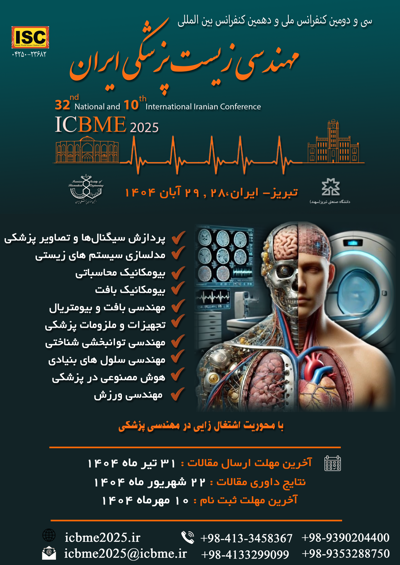
سی و دومین کنفرانس ملی و دهمین کنفرانس بین المللی مهندسی زیست پزشکی ایران
Vibration-Based Assessment of Dental Implants: A Finite Element Study on Bone Quality and Boundary Conditions
نویسندگان :
Fatima Wayzani
1
Mohammadjavad (Matin) Einafshar
2
Ata Hashemi
3
1- Amirkabir University of Technology
2- Aalborg University, Denmark
3- Amirkabir University of Technology
کلمات کلیدی :
Modal analysis،Dental implant stability،Natural frequency،Boundary constraints،Bone quality،Bone substitute materials
چکیده :
Background: Dental implant stability is critical to the long-term success of implantology, as it is influenced by factors such as bone quality, implant design, and boundary conditions. Modal analysis offers a non-invasive method to assess implant stability by evaluating the natural frequency of the implant system. Objectives: To investigate the natural frequency of dental implants under different boundary constraints, mandible sizes, bone qualities, and the presence of a bone substitutive layer. Materials and Methods: Modal analysis was performed on a three-dimensional finite element model of a biphasic healing titanium dental implant and mandibular bone. Both "long" and "short" mandibular geometries were considered. Three boundary conditions were applied, and the influence of different bone qualities (types I, II, III, and IV) was examined. The effect of bone substitutive layers (magnesium phosphate, hydroxyapatite, PMMA) with varying thicknesses (300 μm and 800 μm) was also assessed. Results: The natural frequency of the dental implant system was significantly higher in the "short" mandible model (13,959 Hz, 14,332 Hz, and 15,111 Hz for the first three modes) compared to the "long" mandible model (3,826 Hz, 6,851 Hz, and 7,565 Hz for bone type IV). Increasing the number of boundary constraints led to an increase in natural frequency, with the first mode frequency rising from 1,786 Hz (one side fixed) to 5,650 Hz (three sides fixed) for bone type IV. The highest natural frequencies were observed in bone type I (65,204 Hz, 82,039 Hz, and 83,958 Hz for the first three modes in the short mandible model). The presence of a bone substitutive layer, regardless of material type or thickness, had a negligible impact on natural frequency, with variations of less than 1% compared to the control model. Conclusions: For a successful dental implantology process, primary stability should be verified before surgery. Bone quality significantly affects implant stability, with higher natural frequencies observed in denser bone. Bone substitutive materials, while important for osseointegration, do not markedly affect the implant's natural frequency when applied in thin layers.
لیست مقالات
لیست مقالات بایگانی شده
تاثیر اختلاف قیمت خرید و فروش سهام و اهرم مالی بر مدیریت سود واقعی با تاکید بر نقش تعدیلی حاکمیت شرکتی
هادی اله قلیان - مهدی زینالی
Functionally Graded Material Vertebroplasty Screws: A Finite Element Biomechanical Study
Maryam Rahimi - Mohammad Hosein Zadeh-Posti - َAisan Rafiei - Nima Jamshidi
هوش مصنوعی و حاکمیت شرکتی
محمد ملکی
تحلیل پارامترهای کلیدی مؤثر در شکست پچ چسبنده ترمیمی تاندون روتاتورکاف با مدلسازی اجزای محدود
شقایق راست قلم - آزاده قوچانی - محسن صراف بید آباد
Chondrocyte-Imprinted Substrates: Promoting MSC Chondrogenesis and Regulating Inflammatory Gene Expression
Parisa Madani - Sara Derhanbakhsh - Nasrin Salehi - Farzaneh Safshekan - Javad Mohammadi - Shahin Bonakdar
بررسی ارتباط بین کیفیت حسابرسی و عدم شفافیت اطلاعات با هزینه سرمایه
سمیه فرهادی - محمد رستمی
نقشه راه آموزش هوش مصنوعی در ایران: از بومیسازی تا جهانیسازی
علی غلام نتاج - محمد عرفان رحمانیان کوشککی - امیدرضا حمیدی نیا - محمدمهدی افتخاری
بررسی سه روش شبکه های عصبی بازمانده ، شبکه عصبی کانولوشنی و مدل های حافظه کوتاه مدت در شناسایی اخبار جعلی
بهاره هاشم زاده - مجید عبدالرزاق نژاد
بررسی کاربرد و چالش های هوش مصنوعی در مدیریت لجستیک بنادر
ایمان حق شناس - دامون رزمجویی
Edge AI for Real-Time UAV Data Processing
Mohammad Mahdi Salmani
بیشتر
19 اردیبهشت 1405
راهنمای انتخاب کنفرانس معتبر برای چاپ مقاله علمی
19 اردیبهشت 1405
چرا شرکت در کنفرانسهای علمی برای مصاحبه دکتری اهمیت دارد؟
21 اردیبهشت 1405
پذیرش سریع مقاله در کنفرانسهای علمی مهندسی و فناوری آغاز شد
21 اردیبهشت 1405
آغاز ثبتنام در همایشهای بینالمللی مدیریت و حسابداری
ثمین همایش، سامانه مدیریت کنفرانس ها و جشنواره ها - نگارش 44.7.0