لطفا منتظر بمانید ...
0% Complete
English
☰
صفحه اصلی
کنفرانسهای فعال
مدیریت منابع انسانی پایدار
حسابداری
بازاریابی و برندینگ در عصر هوش مصنوعی
هوش مصنوعی:نوآوری، کسبوکار و آموزش
ارشیو کنفرانسها
اولین کنفرانس ملی هوش مصنوعی
دومین کنفرانس ملی هوش مصنوعی
اولین کنگره ملی حسابداری، مالی و مالیاتی
32کنفرانس بین المللی زیست پزشکی
راهنمای شرکت
نحوه ثبتنام
ثبت نام مدیریت منابع انسانی پایدار
ثبت نام دومین کنگره ملی حسابداری
ثبت نام سومین کنفرانس ملی هوش مصنوعی
ثیت نام بازاریابی و برندینگ در عصر هوش مصنوعی
ثبت نام زنجیره ارزش نفت گاز و پتروشیمی
ارسال مقاله
فرمت مقالات مدیریت منابع انسانی پایدار
فرمت مقالات سیستم های هوشمند حسابداری
فرمت مقالات ملی بازاریابی و برندینگ در عصر هوش مصنوعی
فرمت مقالات سومین کنفرانس هوش مصنوعی
سوالات متداول
اخبار و رویدادها
درباره ما
تماس با ما
صفحه اصلی
/
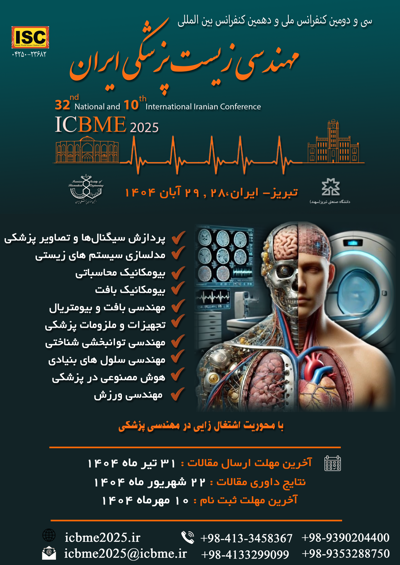
سی و دومین کنفرانس ملی و دهمین کنفرانس بین المللی مهندسی زیست پزشکی ایران
Impact of Impeller Blade Number on the Hemodynamic Performance of Specially Designed Mini VAD
نویسندگان :
Nasser Alizadeh
1
Hanieh Niroomand-Oscuii
2
Farzan Ghalichi
3
1- دانشگاه صنعتی تبریز(سهند)
2- دانشگاه صنعتی تبریز(سهند)
3- دانشگاه صنعتی تبریز(سهند)
کلمات کلیدی :
Ventricular Assist Device،Centrifugal Pump،Hemolysis،Computational fluid dynamics،Impeller design
چکیده :
In recent years, the growing prevalence of cardiovascular diseases has highlighted the demand for advanced mechanical circulatory support devices. Ventricular assist devices (VADs) are among the most effective approaches, as they must provide physiologically adequate flow and pressure while minimizing hemolysis and other blood-related complications. The design challenges include device miniaturization, reduced blood residence time, and minimization of shear-induced blood damage. In this study, we present the design and computational analysis of a centrifugal ventricular assist pump with a novel impeller geometry. The impeller, modeled in CATIA based on centrifugal pump theory, has a diameter of 45 mm, which is approximately 14% smaller than comparable designs reported in previous studies. This reduction in size enables integration into applications with strict spatial constraints, such as implantable VADs. Computational fluid dynamics (CFD) simulations were performed at a rotational speed of 2500 rpm and a target flow rate of 5 L/min to assess hydraulic performance and hemocompatibility. Results demonstrate that the proposed design achieves the physiological requirements for pressure head and flow while maintaining hemolysis within acceptable limits. Furthermore, impellers with fewer blades (4 and 5 blades) exhibited lower shear stress and reduced hemolysis, suggesting improved hemodynamic efficiency and safer blood handling characteristics.
لیست مقالات
لیست مقالات بایگانی شده
نقش یادگیری عمیق در توسعه هوش مصنوعی و کاربردهای آن در صنعت، تجارت و زنجیره تأمین
آیدا مهرنیا
Biomechanical Contrast Between Native and Decellularized Triple-Negative Breast Tumors in Mice
Mohammad Javad Farjam - Saman Asadi - Ashkan Azimzadeh - Saeid Amanpour - AbdolMohammad Kajbafzadeh - Mohammad Ali Nazari
نوآوری در امنیت هوشمند: طراحی سیستمهای AI با مقاومت ذاتی در برابر تهدیدات سایبری
علی غلام نتاج - محمد عرفان رحمانیان کوشککی - امیدرضا حمیدی نیا - محمد مهدی افتخاری
Optimization of the Mechanical Properties of PVA/Gelatin Hydrogel Reinforced with Polycaprolactone Nanofibers Using the Finite Element Method
Mohadeseh Nazouri - Iman Zoljanahi Oskui - Hadi Taghizadeh
آینده پژوهی فرصتها و چالشهای احتمالی در صنعت بیمه ایران
حسین خانلو
بررسی ارتباط بین توانایی مدیریت و محدودیت مالی با تاکید بر نقش دانش مالی هیئت مدیره در شرکتهای دانش بنیان پذیرفته شده در بورس اوراق بهادار تهران
آروین نیک نام - قادر بابائی
بررسی تأثیر ارائه صورت تغییرات حقوق مالکانه بر کیفیت اطلاعات حسابداری
سید علی میرنژاد - جمال برزگری خانقاه - فاطمه زه تابیان یزدی
Accurate Brain Vessel Segmentation in T1-Weighted MRI based on UNETR: Improving Neurosurgical Planning
Fatemeh Gholizadeh - Mahdiyeh Rahmani - Ahmad Pour-Rashidi - Ebrahim Najafzadeh - Parastoo Farnia - Alireza Ahmadian
بررسی مربوط بودن ارزش اطلاعات حسابداری با استفاده از روش CART: یک مطالعه برای شرکتهای داروسازی در بورس اوراق بهادار تهران
نوراله خدادادی - مهرداد قنبری - بابک جمشیدی نوید - جواد مسعودی
بررسی مفاهیم و کاربردهای جدید در حوزه یادگیری عمیق
سید حسن مرتضوی - علی عبدالعظیمی
بیشتر
19 اردیبهشت 1405
راهنمای انتخاب کنفرانس معتبر برای چاپ مقاله علمی
19 اردیبهشت 1405
چرا شرکت در کنفرانسهای علمی برای مصاحبه دکتری اهمیت دارد؟
21 اردیبهشت 1405
پذیرش سریع مقاله در کنفرانسهای علمی مهندسی و فناوری آغاز شد
21 اردیبهشت 1405
آغاز ثبتنام در همایشهای بینالمللی مدیریت و حسابداری
ثمین همایش، سامانه مدیریت کنفرانس ها و جشنواره ها - نگارش 44.7.0