لطفا منتظر بمانید ...
0% Complete
English
☰
صفحه اصلی
کنفرانسهای فعال
مدیریت منابع انسانی پایدار
حسابداری
بازاریابی و برندینگ در عصر هوش مصنوعی
هوش مصنوعی:نوآوری، کسبوکار و آموزش
ارشیو کنفرانسها
اولین کنفرانس ملی هوش مصنوعی
دومین کنفرانس ملی هوش مصنوعی
اولین کنگره ملی حسابداری، مالی و مالیاتی
32کنفرانس بین المللی زیست پزشکی
راهنمای شرکت
نحوه ثبتنام
ثبت نام مدیریت منابع انسانی پایدار
ثبت نام دومین کنگره ملی حسابداری
ثبت نام سومین کنفرانس ملی هوش مصنوعی
ثیت نام بازاریابی و برندینگ در عصر هوش مصنوعی
ثبت نام زنجیره ارزش نفت گاز و پتروشیمی
ارسال مقاله
فرمت مقالات مدیریت منابع انسانی پایدار
فرمت مقالات سیستم های هوشمند حسابداری
فرمت مقالات ملی بازاریابی و برندینگ در عصر هوش مصنوعی
فرمت مقالات سومین کنفرانس هوش مصنوعی
سوالات متداول
اخبار و رویدادها
درباره ما
تماس با ما
صفحه اصلی
/
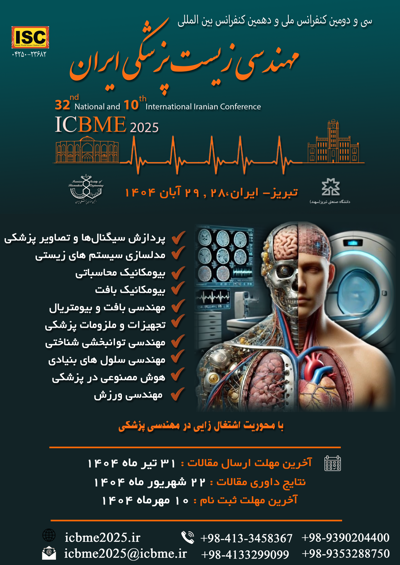
سی و دومین کنفرانس ملی و دهمین کنفرانس بین المللی مهندسی زیست پزشکی ایران
GPU-Accelerated GRAPPA: A Fast Implementation Using PyTorch for MRI Reconstruction
نویسندگان :
Mehrdad Anvari-Fard
1
Mahdi Bazargani
2
Mohammad Javad Heidari
3
Hamid Soltanian-Zadeh
4
1- School of Electrical and Computer Engineering, College of Engineering, University of Tehran Tehran, Iran
2- School of Electrical and Computer Engineering, College of Engineering, University of Tehran Tehran, Iran
3- School of Electrical and Computer Engineering, College of Engineering, University of Tehran Tehran, Iran
4- School of Electrical and Computer Engineering, College of Engineering, University of Tehran Tehran, Iran
کلمات کلیدی :
GRAPPA،MRI Reconstruction،Deep Learning،FastMRI،GPU acceleration
چکیده :
GeneRalized Autocalibrating Partial Parallel Acquisition (GRAPPA) is a widely used algorithm in MRI parallel imaging that reconstructs accelerated MRI scans by estimating the unknown phase-encoding lines omitted during k-space data acquisition. Unlike SENSE (Sensitivity Encoding), which operates in the image domain, GRAPPA directly processes k-space data and offers high reconstruction quality without requiring prior knowledge of coil sensitivity maps, making it one of the most commonly used algorithms for MRI reconstruction in clinical practice. Recent MRI reconstruction trends increasingly combine classical methods with deep learning, either as end-to-end trainable networks or hybrid pipelines that use physics-based operators within learning frameworks. GRAPPA is often employed as a preprocessing step before feeding slice information into deep learning models for MRI reconstruction. Despite its effectiveness, GRAPPA is typically a time-consuming part of the training process. In this work, we leverage the GPU capabilities of the PyTorch library and employ several optimization techniques to accelerate the GRAPPA algorithm. Our implementation is compared against the PyGRAPPA repository, developed by Nicholas McKibben, using a subset of the NYU fastMRI dataset. The results demonstrate that our optimized implementation achieves more than 40-fold speedup, which is statistically significant (p < 0.01) while maintaining equivalent image quality with no significant differences in reconstruction metrics (p > 0.05).
لیست مقالات
لیست مقالات بایگانی شده
Engagement of shareholders in the company
Mahdi Rastkar Mirzaei - Ramin Saman Azari
کاربرد هوش مصنوعی در بهینه سازی تولید و کاهش هدر رفت منابع
مریم مژده
بازنگری الگوریتمهای کشف گرههای فعال در شبکههای اجتماعی
مجید عبدالرزاق نژاد - مهدی خرد - محمدامیر جمالی
بررسی آمارههای توصیفی فواصل بین ژنی ژنوم و پاتوژنی در دو سویه K12 و O157:H7 باکتری E. Coli با رویکرد بیوانفورماتیکی
علی دژبرد - مرتضی علیزاده - محمد حاجی تبار - رحمان خدادادی گله
نقش تحول دیجیتال در روانشناسی محیط کار و روحیه کارگروهی
حیدر محمدزاده سالطه - نیما قاسم زاده شهرک
شیوه های حسابداری منابع انسانی و تاثیر آنها بر عملکرد مدیریت
مرضیه ساداتی
A Multi-Stage Ranking Pipeline for High-Precision Medical Information Retrieval
Asa Shabanian - Alireza Asl Nemati - Morteza Mohammadi Zanjireh
نقش مالکیت دولتی در ارتباط میان معیارهای غیرمالی و ریسک سقوط قیمت سهام
اکبر کنعانی - زهره نوروزی مرادلو - سیما فرزانه خلیفه لو - جابر نوشته زیوه
شیوه های حسابداری مدیریت استراتژیک: بررسی ادبیات و فرصتی برای تحقیقات آینده
رعنا شهداور - موسی ابراهیم زاده - فاطمه خانی پور
Added value of synthetic T1/T2-weighted MR images in the segmentation and staging of meningioma
Masoud Noroozi - Sayna Jamaati - Peyman Sharifian - Mahsa Karbasi - Esmaeil Gharepapagh - Alireza Karimian - Hossein Arabi - Sahar Rezaei
بیشتر
19 اردیبهشت 1405
راهنمای انتخاب کنفرانس معتبر برای چاپ مقاله علمی
19 اردیبهشت 1405
چرا شرکت در کنفرانسهای علمی برای مصاحبه دکتری اهمیت دارد؟
21 اردیبهشت 1405
پذیرش سریع مقاله در کنفرانسهای علمی مهندسی و فناوری آغاز شد
21 اردیبهشت 1405
آغاز ثبتنام در همایشهای بینالمللی مدیریت و حسابداری
ثمین همایش، سامانه مدیریت کنفرانس ها و جشنواره ها - نگارش 44.7.0