لطفا منتظر بمانید ...
0% Complete
English
☰
صفحه اصلی
کنفرانسهای فعال
مدیریت منابع انسانی پایدار
حسابداری
بازاریابی و برندینگ در عصر هوش مصنوعی
هوش مصنوعی:نوآوری، کسبوکار و آموزش
ارشیو کنفرانسها
اولین کنفرانس ملی هوش مصنوعی
دومین کنفرانس ملی هوش مصنوعی
اولین کنگره ملی حسابداری، مالی و مالیاتی
32کنفرانس بین المللی زیست پزشکی
راهنمای شرکت
نحوه ثبتنام
ثبت نام مدیریت منابع انسانی پایدار
ثبت نام دومین کنگره ملی حسابداری
ثبت نام سومین کنفرانس ملی هوش مصنوعی
ثیت نام بازاریابی و برندینگ در عصر هوش مصنوعی
ثبت نام زنجیره ارزش نفت گاز و پتروشیمی
ارسال مقاله
فرمت مقالات مدیریت منابع انسانی پایدار
فرمت مقالات سیستم های هوشمند حسابداری
فرمت مقالات ملی بازاریابی و برندینگ در عصر هوش مصنوعی
فرمت مقالات سومین کنفرانس هوش مصنوعی
سوالات متداول
اخبار و رویدادها
درباره ما
تماس با ما
صفحه اصلی
/
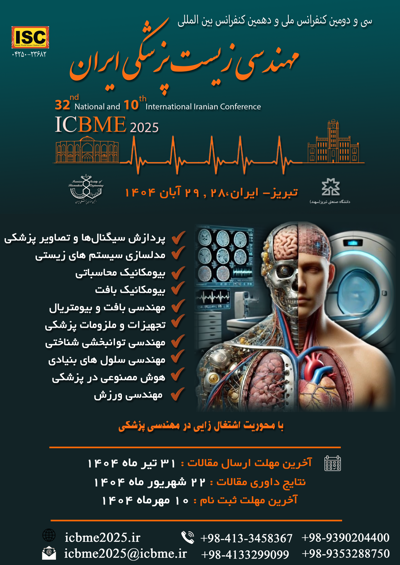
سی و دومین کنفرانس ملی و دهمین کنفرانس بین المللی مهندسی زیست پزشکی ایران
A brief review of the applications of stem and mesenchymal cell-derived exosomes for targeted therapy and cancer drug resistance
نویسندگان :
Laleh Etemad-Ghazani
1
Zahra Etemadi
2
Reza Pashaei
3
1- دانشگاه آزاد اسلامی تبریز
2- دانشگاه آزاد اسلامی تبریز
3- دانشگاه آزاد علوم و پزشکی تبریز
کلمات کلیدی :
Mesenchymal stem cell،Exosome،Therapy resistance،Cancer،Extracellular vesicles،Drug resistance،Targeted therapy
چکیده :
Mesenchymal stem cell (MSC)-derived exosomes, as small extracellular vesicles carrying diverse bioactive molecules, play a pivotal role in delivering anticancer drugs and repairing radiation-induced tissue damage. Due to their intrinsic ability to target tumor cells, cross physiological barriers such as the blood-brain barrier, and exhibit reduced toxicity compared to free drugs, these exosomes have emerged as promising novel drug delivery vehicles. Numerous preclinical studies have demonstrated that MSC-derived exosomes can selectively deliver chemotherapeutic agents such as doxorubicin, paclitaxel, and bioactive compounds like TRAIL and honokiol to cancer cells, thereby enhancing therapeutic efficacy while minimizing systemic toxicity. This capability is particularly valuable in combating drug-resistant cancers such as pancreatic and colorectal cancers. Beyond their antitumor applications, MSC-derived exosomes significantly contribute to accelerating the repair of radiation-induced tissue injuries. By transferring specific microRNAs and cytokines, these vesicles promote cell proliferation, inhibit apoptosis, suppress inflammation and oxidative stress, and mitigate fibrosis progression. Experimental evidence in animal models has shown that MSC-derived exosomes effectively reduce bone loss, facilitate skin repair, and attenuate radiation-induced pulmonary fibrosis. Despite their considerable clinical potential, several challenges hinder the widespread clinical translation of MSC-derived exosomes. These include the lack of standardized protocols for classification, isolation, and storage; limitations in large-scale production; and the need for improved targeting and drug-loading methods. Accordingly, ongoing research focuses on surface engineering of exosomes to enhance targeting specificity, reduce off-target effects, and improve cargo stability. Ultimately, to accelerate the clinical translation of this technology for cancer therapy and tissue regeneration, comprehensive studies including in vivo experiments, long-term safety assessments, and large-scale clinical trials are essential. The development of standardized protocols, scale-up production techniques, and precise targeting strategies remain critical steps toward realizing the full therapeutic potential of MSC-derived exosomes.
لیست مقالات
لیست مقالات بایگانی شده
Parametric study on the separation of extracellular vesicles in a sheathless spiral microfluidic device
Mohammad Mahdi Abdi - Seyedeh Sarah Salehi
Prediction of cardiac arrhythmia via an improved hierarchical fused fuzzy deep learning
Arman Daliri - Nora Mahdavi
بررسی تاثیر ورشکستگی بر رابطه بین استراتژیهای تجاری و معیارهای عملکرد شرکت (ESG)
جواد پورغفار - ایوب یغمائی علیشاه
Fused Deposition Modeling in Bone Tissue Engineering: A Comprehensive Review
Parsa Doaguie - Shima Mirzaie Parsa
بکارگیری هوش مصنوعی در فرآیندهای استخدام: ملاحظات اخلاقی
میررضا سیدقمی - بیتا دلنواز
اینترنت اشیا:امنیت و کاربرد ها در پزشکی و صنعت
سجاد یوسفی - مریم پورنجف - مبینا رضایی
بررسی تاثیر هوش مصنوعی در معماری پارامتریک
دانیال جمشیدی فر
کاربردهای پیشرفته هوش مصنوعی در تحول تجارت الکترونیک: از شخصیسازی تا تصمیمگیری شناختی
علی غلامنتاج - محمد عرفان رحمانیان کوشککی - امیدرضا حمیدی نیا - عباسعلی میرزایی فرد
تاثیر اشتراک گذاری دانش در رسانه های اجتماعی بر توسعه کسب و کارهای کوچک و متوسط تولیدات نوآورانه
حسین الف نژاد - حسین بوداقی خواجه نوبر
Vibration-Based Assessment of Dental Implants: A Finite Element Study on Bone Quality and Boundary Conditions
Fatima Wayzani - Mohammadjavad (Matin) Einafshar - Ata Hashemi
بیشتر
19 اردیبهشت 1405
راهنمای انتخاب کنفرانس معتبر برای چاپ مقاله علمی
19 اردیبهشت 1405
چرا شرکت در کنفرانسهای علمی برای مصاحبه دکتری اهمیت دارد؟
21 اردیبهشت 1405
پذیرش سریع مقاله در کنفرانسهای علمی مهندسی و فناوری آغاز شد
21 اردیبهشت 1405
آغاز ثبتنام در همایشهای بینالمللی مدیریت و حسابداری
ثمین همایش، سامانه مدیریت کنفرانس ها و جشنواره ها - نگارش 44.7.0