لطفا منتظر بمانید ...
0% Complete
English
☰
صفحه اصلی
کنفرانسهای فعال
مدیریت منابع انسانی پایدار
حسابداری
بازاریابی و برندینگ در عصر هوش مصنوعی
هوش مصنوعی:نوآوری، کسبوکار و آموزش
ارشیو کنفرانسها
اولین کنفرانس ملی هوش مصنوعی
دومین کنفرانس ملی هوش مصنوعی
اولین کنگره ملی حسابداری، مالی و مالیاتی
32کنفرانس بین المللی زیست پزشکی
راهنمای شرکت
نحوه ثبتنام
ثبت نام مدیریت منابع انسانی پایدار
ثبت نام دومین کنگره ملی حسابداری
ثبت نام سومین کنفرانس ملی هوش مصنوعی
ثیت نام بازاریابی و برندینگ در عصر هوش مصنوعی
ثبت نام زنجیره ارزش نفت گاز و پتروشیمی
ارسال مقاله
فرمت مقالات مدیریت منابع انسانی پایدار
فرمت مقالات سیستم های هوشمند حسابداری
فرمت مقالات ملی بازاریابی و برندینگ در عصر هوش مصنوعی
فرمت مقالات سومین کنفرانس هوش مصنوعی
سوالات متداول
اخبار و رویدادها
درباره ما
تماس با ما
صفحه اصلی
/
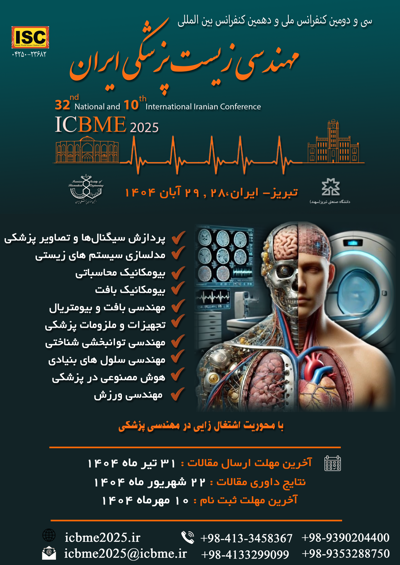
سی و دومین کنفرانس ملی و دهمین کنفرانس بین المللی مهندسی زیست پزشکی ایران
Gait Retraining of Musculoskeletal Patients Using Deep Learning Techniques
نویسندگان :
Kourosh Alimadadi
1
Masoud Shariat Panahi
2
Morad Karimpour
3
Hadi Ghattan Kashani
4
1- دانشگاه تهران
2- دانشگاه تهران
3- دانشگاه تهران
4- دانشگاه تهران
کلمات کلیدی :
Skeletal abnormalities،Gait retraining،Depth image processing،Deep learning
چکیده :
Reconstructive surgeries and the use of bone and joint prostheses are among the most common treatments for lower-limb skeletal disorders. Patients undergoing such treatments often face challenges in regaining a proper gait pattern. To overcome these difficulties, they are typically required to participate in rehabilitation programs where correct walking strategies are taught by instructors. However, these programs demand specialized equipment and experienced trainers, which are both costly and time-consuming, and not easily accessible to all patients. In this paper, we propose a novel method for gait extraction, analysis, and correction in musculoskeletal patients using depth-sensing camera (RGBD) and deep learning techniques. The three-dimensional coordinates of anatomical key points in the patient’s lower limbs are automatically extracted from gait videos, and the corresponding motion patterns are represented through spatial variation graphs of these key points. Subsequently, inverse kinematics analysis of the motion pattern is performed to derive variations in anatomical indicators (distances and angles) across the main gait phases, including Toe-off, Mid-Stance, Mid Swing, and Heel-Strike. By comparing these indicators with those of healthy individuals, the system evaluates the extent and nature of gait deviations that require correction. Finally, the proposed framework provides recommendations for adjusting the patient’s gait and aligning it more closely with healthy walking patterns. Results from multiple case studies demonstrate that the proposed approach can significantly improve gait performance in the post-surgery phase and substantially reduce musculoskeletal complications caused by improper walking.
لیست مقالات
لیست مقالات بایگانی شده
بازاندیشی در تحول آموزش و توسعه مهارت در عصر هوش مصنوعی؛ مروری تحلیلی بر تجربه آموزش نوین در ایران
خدیجه سلیمیان ریزی - حسین کاظمی
شناسایی پیشرانهای حسابداری مسئولیت اجتماعی شرکتی در ایران: بررسی عوامل مؤثر و چالشها
امیر محبی - فرزین رضایی - مهدی بشکوه - غلامرضا کردستانی
تأثیر فعالیت های بازاریابی تجربی بر تجربه مشتری در متاورس: نقش واسطه ای سهولت درک شده و سودمندی درک شده و تأثیر آن بر عشق به برند
آیسان خضرلو - سید جعفر زنوزی
Coronary Full artery segmentation using U-Net neural network architecture
Rezvan Monjezi - Mahdieh Ghasemi - Mahdi Salehi - Alireza Rowhanimanesh - Samaneh Tabaee
بررسی رابطه مدیریت سرمایه در گردش با عملکرد مالی در بورس اوراق بهادار تهران
علی مبارکی
کاربردهای هوش مصنوعی و یادگیری عمیق در تشخیص و پیشبینی بیماریها
علی فرزین
بررسی رابطه بین کیفیت حسابرسی، تأمین مالی بدهی و مدیریت سود در مراحل مختلف چرخه عمر شرکتها
محدرضا پژوهی
تاثیر عدم تقارن اطلاعاتی بر ارتباط بین متنوع سازی شرکتی و مالی سازی شرکت
احمد محمدی - سعید سودی - سونیا کیوان بد
Predicting Sleep Efficiency and Apnea Index Using ECG-Derived and Sleep Quality Features: A Machine Learning Approach
Mahla Khodaverdi - Raheleh Davoodi
نقش حاکمیت شرکتی و شهرت در افشا مسولیت اجتماعی شرکت و عملکرد شرکت
رسول عبدی - سعید فردوسی
بیشتر
19 اردیبهشت 1405
راهنمای انتخاب کنفرانس معتبر برای چاپ مقاله علمی
19 اردیبهشت 1405
چرا شرکت در کنفرانسهای علمی برای مصاحبه دکتری اهمیت دارد؟
21 اردیبهشت 1405
پذیرش سریع مقاله در کنفرانسهای علمی مهندسی و فناوری آغاز شد
21 اردیبهشت 1405
آغاز ثبتنام در همایشهای بینالمللی مدیریت و حسابداری
ثمین همایش، سامانه مدیریت کنفرانس ها و جشنواره ها - نگارش 44.7.0