لطفا منتظر بمانید ...
0% Complete
English
☰
صفحه اصلی
کنفرانسهای فعال
مدیریت منابع انسانی پایدار
حسابداری
بازاریابی و برندینگ در عصر هوش مصنوعی
هوش مصنوعی:نوآوری، کسبوکار و آموزش
ارشیو کنفرانسها
اولین کنفرانس ملی هوش مصنوعی
دومین کنفرانس ملی هوش مصنوعی
اولین کنگره ملی حسابداری، مالی و مالیاتی
32کنفرانس بین المللی زیست پزشکی
راهنمای شرکت
نحوه ثبتنام
ثبت نام مدیریت منابع انسانی پایدار
ثبت نام دومین کنگره ملی حسابداری
ثبت نام سومین کنفرانس ملی هوش مصنوعی
ثیت نام بازاریابی و برندینگ در عصر هوش مصنوعی
ثبت نام زنجیره ارزش نفت گاز و پتروشیمی
ارسال مقاله
فرمت مقالات مدیریت منابع انسانی پایدار
فرمت مقالات سیستم های هوشمند حسابداری
فرمت مقالات ملی بازاریابی و برندینگ در عصر هوش مصنوعی
فرمت مقالات سومین کنفرانس هوش مصنوعی
سوالات متداول
اخبار و رویدادها
درباره ما
تماس با ما
صفحه اصلی
/
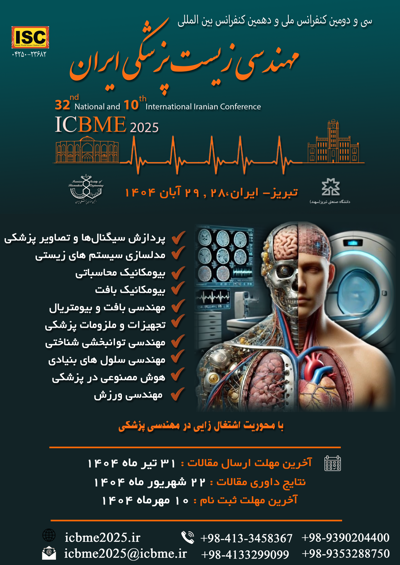
سی و دومین کنفرانس ملی و دهمین کنفرانس بین المللی مهندسی زیست پزشکی ایران
Anastomosis Angle Effects in Beating-Heart Coronary Bypass Grafts: A Fluid–Structure Interaction Study
نویسندگان :
Mohammad Saleh Kazemi
1
Nasser Fatouraee
2
Aisa Rassoli
3
1- دانشکده مهندسی پزشکی، دانشگاه صنعتی امیرکبیر (پلیتکنیک تهران)، تهران، ایران
2- دانشکده مهندسی پزشکی، دانشگاه صنعتی امیرکبیر (پلیتکنیک تهران)، تهران، ایران
3- دانشکده مهندسی مکانیک، دانشگاه صنعتی خواجه نصیرالدین طوسی
کلمات کلیدی :
Fluid-Structure Interaction Method،Radial Artery،Anastomosis Angle،Time-Averaged Wall Shear Stress (TAWSS)،Oscillatory Shear Index (OSI)،von Mises Stress
چکیده :
The geometry of coronary artery bypass grafting (CABG) strongly influences the long-term success of the procedure. Among the geometrical factors, the graft-to-coronary anastomosis angle is one of the most important. Many studies have investigated this parameter using computational fluid dynamics (CFD). However, most of them ignored arterial wall compliance and the displacement of the host coronary artery caused by the beating heart. This limitation reduces the physiological relevance of their findings. In this study, the effect of the anastomosis angle was examined using a fluid–structure interaction (FSI) framework that also included the physiological motion of the host coronary artery during the cardiac cycle. Three angles (30°, 45°, and 60°) were modeled using a 15.2 cm radial artery graft. Hemodynamic and structural parameters were analyzed to provide a more realistic evaluation of graft performance. The results showed that larger anastomosis angles increased coronary outflow, time-averaged wall shear stress (TAWSS), and oscillatory shear index (OSI). At the same time, von Mises stress on the graft wall near the anastomosis decreased with larger angles. These results indicate that higher angles may improve blood supply to myocardium and reduce the risk of mechanical graft failure. However, they also increase the risk of intimal hyperplasia and restenosis at the anastomosis site. Therefore, intermediate angles, such as 45°, provided more balanced outcomes and appears to be the best compromise and may represent a preferable surgical choice. Overall, this study emphasizes the importance of including both vascular wall compliance and coronary motion in graft modeling. The findings may help surgeons select optimal anastomosis geometries for improved CABG outcomes.
لیست مقالات
لیست مقالات بایگانی شده
بررسی نقش شفافیت اطلاعات مالی و حسابرسی مالیاتی در بهبود تمکین مالیاتی و تأثیر آن بر رشد اقتصادی پایدار
الهه آقاخانی - مرتضی خانلاری
رابطه سه وجهی بازده اوراق خزانه، نرخ ارز و شاخص بورس در صنایع مختلف
پوریا کاظمی بختوری - سپیده محمودی وایقان - بهزاد محمودی وایقان
شناسایی عوامل تعیین کننده قصد انطباق مالیات با تاکید بر نظریه رفتار برنامه ریزی شده
نیما صدری نوبر زاد - پریسا صدری نوبر زاد
استفاده از یادگیری انتقالی در پاسخ به کمبود طیف در تشخیص بیماری با طیف سنجی رامان
آرام زندی - زهره دهقانی بیدگلی
تحلیل پارامترهای کلیدی مؤثر در شکست پچ چسبنده ترمیمی تاندون روتاتورکاف با مدلسازی اجزای محدود
شقایق راست قلم - آزاده قوچانی - محسن صراف بید آباد
هوش مصنوعی در توسعه علوم پایه: راهکارهای عملی برای تحقق تحول علمی و صنعتی
سارا سهیلی
ارائه الگوی حسابداری منابع انسانی در شرکتهای دانش بنیان با رویکرد داده بنیاد
حسین بوداقی خواجهءنوبر - فخرالدین محمدرضایی - بهارک یادگار جمشیدی
تاثیر تمرین با تردمیل آبی بر کینماتیک پرش- فرود فوتسالیست های حرفه ای
صفورا قاسمی - مسعود گلپایگانی - امیرحسین نجیمی
بررسی اثرات تعامل و همکاری بین مدیران مالی ارشد شرکتها و مؤسسات حسابرسی بر کیفیت حسابرسی
موسی انصاری - محمد فرهادی مهر
بررسی ادبیات ارتباطات پایدار در بازاریابی
رعنا شهدآور - عسل اعتباری اصل امین
بیشتر
19 اردیبهشت 1405
راهنمای انتخاب کنفرانس معتبر برای چاپ مقاله علمی
19 اردیبهشت 1405
چرا شرکت در کنفرانسهای علمی برای مصاحبه دکتری اهمیت دارد؟
21 اردیبهشت 1405
پذیرش سریع مقاله در کنفرانسهای علمی مهندسی و فناوری آغاز شد
21 اردیبهشت 1405
آغاز ثبتنام در همایشهای بینالمللی مدیریت و حسابداری
ثمین همایش، سامانه مدیریت کنفرانس ها و جشنواره ها - نگارش 44.7.0