لطفا منتظر بمانید ...
0% Complete
English
☰
صفحه اصلی
کنفرانسهای فعال
مدیریت منابع انسانی پایدار
حسابداری
بازاریابی و برندینگ در عصر هوش مصنوعی
هوش مصنوعی:نوآوری، کسبوکار و آموزش
ارشیو کنفرانسها
اولین کنفرانس ملی هوش مصنوعی
دومین کنفرانس ملی هوش مصنوعی
اولین کنگره ملی حسابداری، مالی و مالیاتی
32کنفرانس بین المللی زیست پزشکی
راهنمای شرکت
نحوه ثبتنام
ثبت نام مدیریت منابع انسانی پایدار
ثبت نام دومین کنگره ملی حسابداری
ثبت نام سومین کنفرانس ملی هوش مصنوعی
ثیت نام بازاریابی و برندینگ در عصر هوش مصنوعی
ثبت نام زنجیره ارزش نفت گاز و پتروشیمی
ارسال مقاله
فرمت مقالات مدیریت منابع انسانی پایدار
فرمت مقالات سیستم های هوشمند حسابداری
فرمت مقالات ملی بازاریابی و برندینگ در عصر هوش مصنوعی
فرمت مقالات سومین کنفرانس هوش مصنوعی
سوالات متداول
اخبار و رویدادها
درباره ما
تماس با ما
صفحه اصلی
/
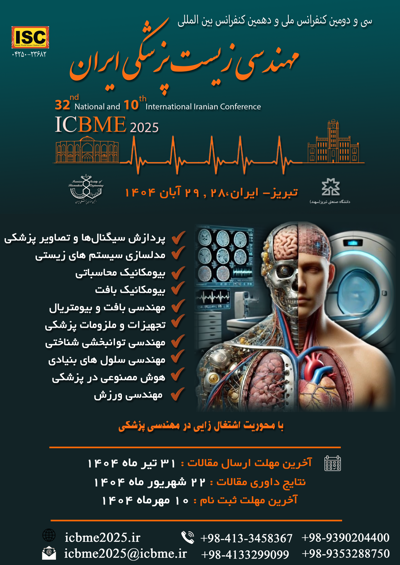
سی و دومین کنفرانس ملی و دهمین کنفرانس بین المللی مهندسی زیست پزشکی ایران
Chondrocyte-Imprinted Substrates: Promoting MSC Chondrogenesis and Regulating Inflammatory Gene Expression
نویسندگان :
Parisa Madani
1
Sara Derhanbakhsh
2
Nasrin Salehi
3
Farzaneh Safshekan
4
Javad Mohammadi
5
Shahin Bonakdar
6
1- دانشگاه تهران
2- دانشگاه تهران
3- دانشگاه تهران
4- موسسه آموزش عالی احرار
5- دانشگاه تهران
6- انستیتو پاستور ایران
کلمات کلیدی :
Chondrogenic differentiation،Cell-imprinted substrate،Topography،Cartilage Tissue،Mesenchymal Stem Cells،Tissue engineering
چکیده :
Due to the limitations of using primary chondrocytes, directing stem cells toward chondrogenesis via physical cues has emerged as an efficient strategy for cartilage regeneration. Substrate topography can strongly influence cellular behavior, including differentiation. Here, we investigated the effect of chondrocyte-imprinted substrates on the chondrogenic differentiation of stem cells and dedifferentiated chondrocytes without chemical inducers. Rabbit chondrocytes were isolated, fixed, and used as templates to fabricate patterned polydimethylsiloxane (PDMS) substrates. Rabbit adipose-derived mesenchymal stem cells (ADSCs) and passage 3 dedifferentiated chondrocytes were cultured on these substrates and analyzed using cell staining and real-time PCR for chondrogenic and inflammatory gene expression. Compared to spindle-like control cells, cells on imprinted substrates exhibited round morphologies, enhanced glycosaminoglycan and collagen I/III production, actin fiber rearrangement, and higher expression of chondrogenic genes (collagen II, aggrecan, sox9) with minimal inflammatory gene expression (TNF-α, IL-1, IL-6). These results demonstrate that chondrocyte-imprinted PDMS substrates can effectively induce chondrogenesis without chemical factors, providing a promising tool for cartilage tissue engineering.
لیست مقالات
لیست مقالات بایگانی شده
A Quantitative Approach to Assess Rhus coriaria Nanophytosomes in Ketamine-Induced Liver Injury
Narjes Amin - Akbar Hajizadeh Moghadam - Amin Mohammad Mohammadi - Kimia Mozahheb Yousefi - Fereshteh Mir Mohammadrezaei - Sedigheh Khanjani Jelodar
Static and Dynamic WPLI on Stressful Scenarios: an EEG Study
Nasrin Dehghani - Negin Joghataei - Zahra Ghanbari - Mohammad Hassan Moradi
Analyzing Blood Glucose Levels with Near Infra-Red Spectroscopy and Chemometric Multivariate Methods
Hadi Barati - Arian Mousavi Madani - Soheil Moradi - Mohammad Mohsen Ebrahimi Seyghalan - Mehdi Fardmanesh
استفاده از یادگیری انتقالی در پاسخ به کمبود طیف در تشخیص بیماری با طیف سنجی رامان
آرام زندی - زهره دهقانی بیدگلی
ارائه یک معماری شناختی ارتقاءیافته برای بهینهسازی سرعت تصمیمگیری در رباتهای شناختی
محمدمعید جمالی مهر - حسین صابری
بررسی اثرات تعامل و همکاری بین مدیران مالی ارشد شرکتها و مؤسسات حسابرسی بر کیفیت حسابرسی
موسی انصاری - محمد فرهادی مهر
Depression detection based on EEG signal analysis utilizing Inter-hemispheric Asymmetry and Correlation Dimension assessment
Amirreza Ahmadi - Saeid Yarmohammdi - Ali Zeraatkar - Reza Rostami
بررسی ادبیات ارتباطات پایدار در بازاریابی
رعنا شهدآور - عسل اعتباری اصل امین
AI Prospectors: Transforming Economic Geology with Machine Intelligence
Parinesa Moshefi
شناسایی و اولویت بندی موانع اجرای حسابداری منابع انسانی بوسیله TOPSIS
حسن پاکی
بیشتر
19 اردیبهشت 1405
راهنمای انتخاب کنفرانس معتبر برای چاپ مقاله علمی
19 اردیبهشت 1405
چرا شرکت در کنفرانسهای علمی برای مصاحبه دکتری اهمیت دارد؟
21 اردیبهشت 1405
پذیرش سریع مقاله در کنفرانسهای علمی مهندسی و فناوری آغاز شد
21 اردیبهشت 1405
آغاز ثبتنام در همایشهای بینالمللی مدیریت و حسابداری
ثمین همایش، سامانه مدیریت کنفرانس ها و جشنواره ها - نگارش 44.7.0