لطفا منتظر بمانید ...
0% Complete
English
☰
صفحه اصلی
کنفرانسهای فعال
مدیریت منابع انسانی پایدار
حسابداری
بازاریابی و برندینگ در عصر هوش مصنوعی
هوش مصنوعی:نوآوری، کسبوکار و آموزش
ارشیو کنفرانسها
اولین کنفرانس ملی هوش مصنوعی
دومین کنفرانس ملی هوش مصنوعی
اولین کنگره ملی حسابداری، مالی و مالیاتی
32کنفرانس بین المللی زیست پزشکی
راهنمای شرکت
نحوه ثبتنام
ثبت نام مدیریت منابع انسانی پایدار
ثبت نام دومین کنگره ملی حسابداری
ثبت نام سومین کنفرانس ملی هوش مصنوعی
ثیت نام بازاریابی و برندینگ در عصر هوش مصنوعی
ثبت نام زنجیره ارزش نفت گاز و پتروشیمی
ارسال مقاله
فرمت مقالات مدیریت منابع انسانی پایدار
فرمت مقالات سیستم های هوشمند حسابداری
فرمت مقالات ملی بازاریابی و برندینگ در عصر هوش مصنوعی
فرمت مقالات سومین کنفرانس هوش مصنوعی
سوالات متداول
اخبار و رویدادها
درباره ما
تماس با ما
صفحه اصلی
/
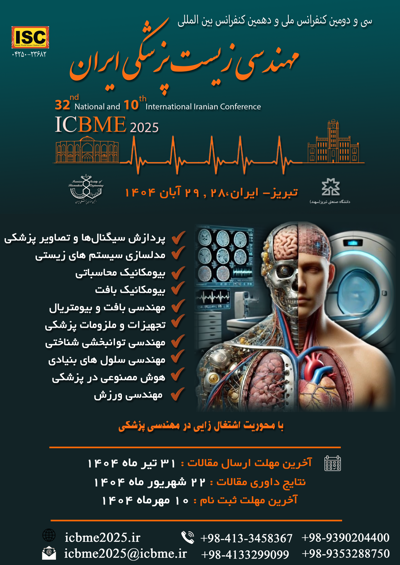
سی و دومین کنفرانس ملی و دهمین کنفرانس بین المللی مهندسی زیست پزشکی ایران
Investigating the Self-optimizing nnU-NetV2 for Kidney Tumor Segmentation: Application to the KiTS23 Dataset
نویسندگان :
Sanam Doostinia
1
Masoud Noroozi
2
Mohammad Saber Azimi
3
Jafar Majidpour
4
Hossein Arabi
5
1- دانشگاه صنعتی خواجه نصیرالدین طوسی
2- دانشگاه اصفهان
3- دانشگاه شهید بهشتی
4- University of Raparin Rania, Iraq
5- Geneva University Hospital
کلمات کلیدی :
Deep Learning،Medical Image Segmentation،nnU-NetV2،Kidney Tumor Segmentation
چکیده :
Kidney cancer ranks among the top 10 most prevalent cancers, with renal cell carcinoma (RCC) being the dominant form, accounting for approximately 90% of all kidney cancer cases. As computer technology advances unprecedentedly, its integration into the medical field, particularly in computer-aided diagnostics and treatment, has grown significantly. In this work, we evaluate the nnU-NetV2 segmentation model on the kidney tumor segmentation dataset (KiTS2023). The 3D nnU-NetV2 model was trained for 300 Epochs with single-fold validation, using 320 CT scans from the retrospective KiTS23 dataset, with 80 cases for validation and 89 cases for testing. The evaluation metrics Dice Similarity Coefficient (DSC), IoU (Intersection over Union), sensitivity, and specificity were applied to assess performance in both region-based and foreground segmentation. Test-set DSC values were 0.8334 (Kidney+Tumor+Cyst), 0.6678 (Tumor+Cyst), and 0.6009 (Tumor); IoU scores were 0.7705, 0.5621, and 0.5078, respectively. Sensitivity values were 0.7915, 0.6743, and 0.6459, respectively, and specificity remained consistently high at 0.99 across all regions. For foreground segmentation on the test set, DSC was 0.7007, and IoU was 0.6135. Despite using a relatively low number of epochs and single-fold validation, comparison with the benchmark results demonstrates that the nnU-Net model remains a robust tool for automatic kidney tumor segmentation.
لیست مقالات
لیست مقالات بایگانی شده
Evaluation and Comparison of Columnar Databases Cassandra, Kudu, HBase, Google Bigtable, MariaDB, and Greenplum for Fast and Accurate Data Processing
Sareh Gorgbandi - Nafiseh Osati
مدل های نوین بودجه ریزی عملیاتی و نقش آنها در بهبود عملکرد مالی بانک ها
بهارک یادگار جمشیدی - مبینا مولایی
Biomechanical Analysis of Blindfold Training for Backward Running in Handball Athletes
Aydin Najipour - Siamak Khorramymehr - Kamran Hassani
بررسی تأثیر مالکیت کنترل کننده بر رقابت در بازار محصول شرکتهای پذیرفته شده در بورس اوراق بهادار تهران
اسماعیل محبی کندسری
تأثیر تحول دیجیتال بر ساختار و فرآیندهای حسابداری و مالی
سید جبار عالی نژاد - سید محمد عالی نژاد - حسن هاتف
تاثیر عملکرد زیست محیطی، اجتماعی و حاکمیتی بر کیفیت گزارشگری مالی
ابراهیم نویدی عباسپور - سیدعلی موسوی
نقش پیاده سازی هوش مصنوعی در تحول ارتباطات بازاریابی وتوسعه ی شایستگی اخلاقی برندهای فعال
شبنم سخی نیا
بلاکچین برای آینده مدیریت زنجیره تأمین پایدار در صنعت چهارم
زهرا کرمی
طراحی چارچوب شخصیسازیشده درمان بیماری MS مبتنی بر یادگیری تقویتی عمیق SAC
مریم سبزه یان - محبوبه سبزه یان - امین نوری - ماندانا سادات غفوریان
ارائه مدل E-UNETR2D جهت قطعه بندی عروق کرونر از روی تصاویر سی تی آنژیوگرافی
مصطفی رجب زاده - فواد قادری - حمیدرضا پورعلی اکبر - نصرالله مقدم چرکری
بیشتر
19 اردیبهشت 1405
راهنمای انتخاب کنفرانس معتبر برای چاپ مقاله علمی
19 اردیبهشت 1405
چرا شرکت در کنفرانسهای علمی برای مصاحبه دکتری اهمیت دارد؟
21 اردیبهشت 1405
پذیرش سریع مقاله در کنفرانسهای علمی مهندسی و فناوری آغاز شد
21 اردیبهشت 1405
آغاز ثبتنام در همایشهای بینالمللی مدیریت و حسابداری
ثمین همایش، سامانه مدیریت کنفرانس ها و جشنواره ها - نگارش 44.7.0