لطفا منتظر بمانید ...
0% Complete
English
☰
صفحه اصلی
کنفرانسهای فعال
مدیریت منابع انسانی پایدار
حسابداری
بازاریابی و برندینگ در عصر هوش مصنوعی
هوش مصنوعی:نوآوری، کسبوکار و آموزش
ارشیو کنفرانسها
اولین کنفرانس ملی هوش مصنوعی
دومین کنفرانس ملی هوش مصنوعی
اولین کنگره ملی حسابداری، مالی و مالیاتی
32کنفرانس بین المللی زیست پزشکی
راهنمای شرکت
نحوه ثبتنام
ثبت نام مدیریت منابع انسانی پایدار
ثبت نام دومین کنگره ملی حسابداری
ثبت نام سومین کنفرانس ملی هوش مصنوعی
ثیت نام بازاریابی و برندینگ در عصر هوش مصنوعی
ثبت نام زنجیره ارزش نفت گاز و پتروشیمی
ارسال مقاله
فرمت مقالات مدیریت منابع انسانی پایدار
فرمت مقالات سیستم های هوشمند حسابداری
فرمت مقالات ملی بازاریابی و برندینگ در عصر هوش مصنوعی
فرمت مقالات سومین کنفرانس هوش مصنوعی
سوالات متداول
اخبار و رویدادها
درباره ما
تماس با ما
صفحه اصلی
/
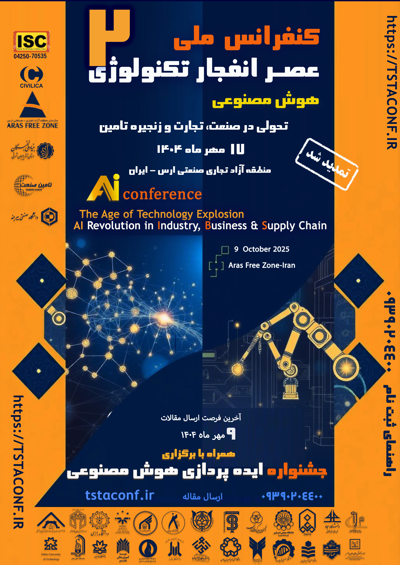
دومین کنفرانس ملی عصر انفجار تکنولوژی؛ هوش مصنوعی، تحولی در صنعت، تجارت و زنجیره تامین و دومین کنفرانس ملی علم داده در کاربردهای مهندسی
Adaptive neuro-fuzzy inference system (ANFIS) for prediction the gibbs energy of formation
نویسندگان :
Aboozar Khajeh
1
1- Birjand University of Technology
کلمات کلیدی :
Acid،Adaptive neuro-fuzzy inference system (ANFIS)،Genetic function approximation (GFA)،Gibbs free energy of formation،Group contribution (GC)،Machine learning
چکیده :
The Gibbs free energy of formation is very important property to predict the feasibility of chemical reactions, calculate equilibrium constants, and analyze reaction spontaneity. In this work, a nonlinear group contribution-based method was developed by combination of adaptive neuro-fuzzy inference system (ANFIS) and group contributions (GC) methods. In order to obtain simple and accurate model for prediction the gibbs free energy of formation of acid compounds, the genetic function approximation (GFA) method was used for selection the most important functional groups. The required parameters of the models are the numbers of occurrences of three functional groups in each investigated acid molecule, which can be computed based on chemical structure of any acid molecule. Using the ANFIS method the gibbs free energy of formation predicted with high accuracy and reliability that are quantified by the following statistical parameters: the squared correlation coefficient (R2) = 0.978, absolute average relative deviation percent (AARD %) =3.977, and the root mean squares error (RMSE) = 26.932. In general, the results obtained in this work showed that the ANFIS-GC could be a promising machine learning approach to predict the gibbs free energy of formation, or possibly other physiochemical properties of acid compounds.
لیست مقالات
لیست مقالات بایگانی شده
تحلیل کاربردی الگوریتم کلونی مورچگان چندهدفه در حل مسائل بهینهسازی چندهدفه
ملیحه نیک سیرت
کاربرد هوش مصنوعی در ایجاد و توسعه شبکه های صنعتی
بهاره رضاپور - حسین بوداقی خواجه نوبر
مروری در زمینه کاربرد شبکه عصبی در بهداشت، ایمنی و محیطزیست (HSE)
هاجرسادات علی زاده مقدم
ارزیابی ریسک ملی و فراملی ( ریسک غیر مالی) (مطالعه موردی درکرواسی)
شبنم بالازاده قره باغی - فرهاد خداکرمی - امیرحسین باقری - مهتاب رنجبران
مطالعه ای بر نقش نوآوری و روش های فناوری اطلاعات (بلاک چین، اینترنت اشیا، حسابداری ابری، کلان داده) در کیفیت سیستم های اطلاعات حسابداری
فاطمه سپهوند - محمود همت فر
شناسایی اسکولیوز ستون فقرات در تصاویرX-ray با استفاده از MobileNetV2
محمدصادق بابایی
مدیریت منابع انسانی با رویکرد هوش مصنوعی: مدیریت هوشمند داده محور
محمدرضا دلوی - مصطفی طغیانی پزوه
خودشیفتگی و تصمیم گیری مدیران: بررسی بیست سال ادبیات حسابداری
رعنا شهدآور - فاطمه ذوالفقاری - فاطمه افروزیان
Towards Accurate Multimodal Defformable Image Registration via Image Translation and Weak Supervision
Maryam Nasr - Mohammadreza Yazdchi - Mohsen Safdari
بهرهگیری از هوش مصنوعی و یادگیری عمیق در پیشبینی خطا و عیبیابی تجهیزات صنعتی
سحر پاسیار - سید محمدتقی موسوی قهفرخی - نسرین اشرفی باباگنجه - صبا شاکر
بیشتر
19 اردیبهشت 1405
راهنمای انتخاب کنفرانس معتبر برای چاپ مقاله علمی
19 اردیبهشت 1405
چرا شرکت در کنفرانسهای علمی برای مصاحبه دکتری اهمیت دارد؟
21 اردیبهشت 1405
پذیرش سریع مقاله در کنفرانسهای علمی مهندسی و فناوری آغاز شد
21 اردیبهشت 1405
آغاز ثبتنام در همایشهای بینالمللی مدیریت و حسابداری
ثمین همایش، سامانه مدیریت کنفرانس ها و جشنواره ها - نگارش 44.7.0