لطفا منتظر بمانید ...
0% Complete
English
☰
صفحه اصلی
کنفرانسهای فعال
مدیریت منابع انسانی پایدار
حسابداری
بازاریابی و برندینگ در عصر هوش مصنوعی
هوش مصنوعی:نوآوری، کسبوکار و آموزش
ارشیو کنفرانسها
اولین کنفرانس ملی هوش مصنوعی
دومین کنفرانس ملی هوش مصنوعی
اولین کنگره ملی حسابداری، مالی و مالیاتی
32کنفرانس بین المللی زیست پزشکی
راهنمای شرکت
نحوه ثبتنام
ثبت نام مدیریت منابع انسانی پایدار
ثبت نام دومین کنگره ملی حسابداری
ثبت نام سومین کنفرانس ملی هوش مصنوعی
ثیت نام بازاریابی و برندینگ در عصر هوش مصنوعی
ثبت نام زنجیره ارزش نفت گاز و پتروشیمی
ارسال مقاله
فرمت مقالات مدیریت منابع انسانی پایدار
فرمت مقالات سیستم های هوشمند حسابداری
فرمت مقالات ملی بازاریابی و برندینگ در عصر هوش مصنوعی
فرمت مقالات سومین کنفرانس هوش مصنوعی
سوالات متداول
اخبار و رویدادها
درباره ما
تماس با ما
صفحه اصلی
/
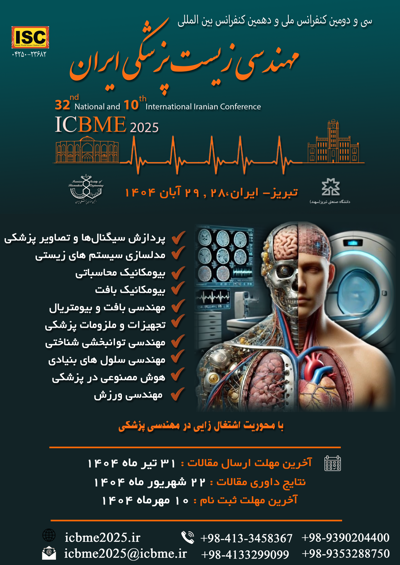
سی و دومین کنفرانس ملی و دهمین کنفرانس بین المللی مهندسی زیست پزشکی ایران
Development of a spiral microfluidic platform for predicting reduced mechanical damage in oocyte denudation
نویسندگان :
Ehsan Nabati
1
Maryam Saadatmand
2
1- دانشگاه صنعتی شریف، تهران، ایران
2- دانشگاه صنعتی شریف، تهران، ایران
کلمات کلیدی :
Infertility،Oocyte Denudation،Microfluidic Technology،CFD Simulations،Spiral Geometry
چکیده :
Infertility affects 1 in 6 couples globally, with a 20% prevalence rate in Iran. IVF and ICSI are the most effective treatments, with oocyte denudation being a critical step. Traditional methods like enzymatic and mechanical denudation often damage oocytes. This study investigates microfluidic technology with spiral geometry as a safer alternative for cell separation. Computational fluid dynamics (CFD) simulations were used to analyze shear stress and particle movement in the microfluidic system. The results showed that the spiral design achieved uniform shear stress distribution, with a maximum shear stress of 180 Pascals, which is within the safe range for oocyte preservation. A flow rate of 1 mL/min was used, simulating experimental conditions. Egg yolk was used to model oocytes, with large and small particles representing oocytes and cumulus cells. The study found that larger particles moved toward the channel wall in higher concentrations, consistent with CFD predictions. The spiral geometry increased contact time between the oocyte and the channel wall, ensuring efficient and safe denudation without the need for enzymatic or mechanical methods. These findings suggest that spiral microfluidic designs hold great potential for improving oocyte denudation, offering a promising alternative to traditional methods in assisted reproductive technologies.
لیست مقالات
لیست مقالات بایگانی شده
Electrospun Chitosan-Gelatin/ZIF‑8 Nanofibers Scaffolds for Enhanced Wound Healing
Maryam Nosrati hashi - Maryam Tajabadi - Fateme Mirzajani - Alireza Khavandi
نقش مدیران مستقل در بهبود حاکمیت شرکتی
رعنا شهدآور - آیسان صدقی - المیرا ناصری
تأثیر حسابرسی صورتهای مالی بر بهبود عملکرد مدیران
ربابه جعفری آغویه - محمدرضا عباسی استمال
تاثیر هوش مصنوعی بر تغییرات سیاست های مالی: چالش ها و فرصت ها
بهارک یادگار جمشیدی - جمال سبک دستی - زینب رضائی - امین مقتدری
Influence of artificial intelligence in the mining industry and its role in the economic development
Parinesa Moshefi
DDQN-Learning of Hill-Type Musculoskeletal Arm Model for Elbow Motor Control
Mohammad-Reza Sayyed Noorani - Abbas Jafarpour Mahalleh - Kimiya Khojand
حکمرانی داده و هوش مصنوعی در اقتصاد دیجیتال: چالش ها، چارچوب ها و الزامات اخلاقی
علیرضا فولاد - ابوالفضل حسین زاده - علی عبدلی
پیشرفتهای اخیر در ماشینهای بردار پشتیبان کوانتومی: چشماندازی برای پردازشهای کوانتومی
محمد عادلی نیا
A survey over deep learning methods for early detection in mammogram images
Zeinab Shirkool - Mohammad Ali Tabarzad - Reza Boostani
هوش اخلاقی: مبانی نظری، مؤلفهها و کاربردها در پرتو دیدگاههای بوربا و لنیک و کیل
طیبه یگانه
بیشتر
19 اردیبهشت 1405
راهنمای انتخاب کنفرانس معتبر برای چاپ مقاله علمی
19 اردیبهشت 1405
چرا شرکت در کنفرانسهای علمی برای مصاحبه دکتری اهمیت دارد؟
21 اردیبهشت 1405
پذیرش سریع مقاله در کنفرانسهای علمی مهندسی و فناوری آغاز شد
21 اردیبهشت 1405
آغاز ثبتنام در همایشهای بینالمللی مدیریت و حسابداری
ثمین همایش، سامانه مدیریت کنفرانس ها و جشنواره ها - نگارش 44.7.0