لطفا منتظر بمانید ...
0% Complete
English
☰
صفحه اصلی
کنفرانسهای فعال
مدیریت منابع انسانی پایدار
حسابداری
بازاریابی و برندینگ در عصر هوش مصنوعی
هوش مصنوعی:نوآوری، کسبوکار و آموزش
ارشیو کنفرانسها
اولین کنفرانس ملی هوش مصنوعی
دومین کنفرانس ملی هوش مصنوعی
اولین کنگره ملی حسابداری، مالی و مالیاتی
32کنفرانس بین المللی زیست پزشکی
راهنمای شرکت
نحوه ثبتنام
ثبت نام مدیریت منابع انسانی پایدار
ثبت نام دومین کنگره ملی حسابداری
ثبت نام سومین کنفرانس ملی هوش مصنوعی
ثیت نام بازاریابی و برندینگ در عصر هوش مصنوعی
ثبت نام زنجیره ارزش نفت گاز و پتروشیمی
ارسال مقاله
فرمت مقالات مدیریت منابع انسانی پایدار
فرمت مقالات سیستم های هوشمند حسابداری
فرمت مقالات ملی بازاریابی و برندینگ در عصر هوش مصنوعی
فرمت مقالات سومین کنفرانس هوش مصنوعی
سوالات متداول
اخبار و رویدادها
درباره ما
تماس با ما
صفحه اصلی
/
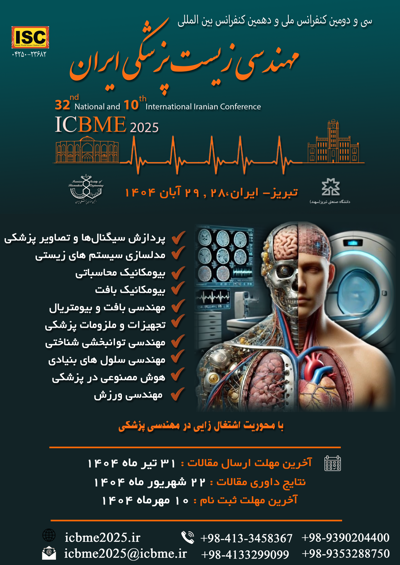
سی و دومین کنفرانس ملی و دهمین کنفرانس بین المللی مهندسی زیست پزشکی ایران
Phase-Specific Analysis of Arm–Leg Load Sharing in Exoskeleton-Assisted Gait Using Biomechanical Indices
نویسندگان :
Milad Hosseini
1
Negin Nasirian
2
Saeed Behzadipour
3
1- دانشگاه صنعتی شریف، تهران، ایران
2- دانشگاه صنعتی شریف، تهران، ایران
3- دانشگاه صنعتی شریف، تهران، ایران
کلمات کلیدی :
Exoskeleton-assisted gait،Arm–leg load sharing،Upper-limb support،Load-sharing indices،Upper-limb loading
چکیده :
This study investigated the redistribution of support between the arms and legs during exoskeleton-assisted gait with forearm crutches, using the Exoped lower-limb exoskeleton. A full-body skeletal model was developed by synchronized motion capture, ground force reaction measurement, and instrumented crutch data to compute phase-specific indices of load sharing. The modeling framework had been previously validated against experimental ground reaction forces, ensuring reliable estimation of joint kinetics and external loads. Results showed that the arms carried approximately 10% of body weight on average (ULSF ≈0.10), with transient peaks of ~0.18 during mid stance. The Vertical Impulse Share (VIS) indicated increased cumulative arm contributions in pre-swing and initial swing (~0.12–0.13), while the Arm Asymmetry Index (AAI) reached values near 1 during loading response (the initial double support phase immediately after heel strike, when the limb begins accepting body weight) and terminal swing, reflecting reliance on a single arm. Peak Support Timing (PST) consistently occurred at ~28–30% of the gait cycle, corresponding to late mid stance. These findings demonstrate that although arm forces remain modest in absolute terms, their phase-dependent nature makes them critical for stability and may predispose the upper limbs to repetitive high-load exposure. The proposed framework offers practical insights for safer exoskeleton design and rehabilitation strategies aimed at reducing upper-limb overuse.
لیست مقالات
لیست مقالات بایگانی شده
Gravity-Directed Growth of ZnO Nanorods: Morphological Control via Chemical Bath Deposition
Masoud Ghashami - Melisa Daryayi - Mohammad Abdolahad
مروری بر کاربردهای هوش مصنوعی درصنعت
امیرپاشا گرگان نژاد - لاریسا خدادادی
Development of Folic Acid-Conjugated Iron Oxide Nanoparticles Loaded with Doxorubicin via Arc Discharge: A Novel Approach for Synergistic Photothermal-Chemotherapy of Cancer Using Bacterial Cellulose-Polyvinyl Alcohol Hydrogel
Saeid Orangi - Soodabeh Davaran
نوآوری در امنیت هوشمند: طراحی سیستمهای AI با مقاومت ذاتی در برابر تهدیدات سایبری
علی غلام نتاج - محمد عرفان رحمانیان کوشککی - امیدرضا حمیدی نیا - محمد مهدی افتخاری
مروری بر روش های هوش مصنوعی توضیح پذیر
الهه محمدی - آزاده سلطانی
بهبود راهکار انتخاب ویژگی ترکیبی با ارزیابی یکپارچه روابط خطی و غیرخطی ویژگیها
سید مجتبی سیف
پیش بینی قصد فرار مالیاتی بر اساس تئوری رفتار برنامهریزی شده، روحیه مودیان مالیاتی و تیپهای شخصیتی با استفاده از شبکه عصبی
سحر بخشی - مهدی ذوالفقاری - کیهان آزادی هیر
بررسی تاثیر ارزش ویژه برند بر هوشمندسازی رفتار تبلیغاتی مصرفکنندگان موبایل با نقش میانجی گری عشق به برند(مطالعه موردی: برند سامسونگ)
زهرا علی میرزائی - حسین بوداقی
حفظ حریم خصوصی دادهها در اینترنت اشیای پزشکی (IoMT) با استفاده از یادگیری فدرال (Federated Learning) در معماری مه
سالار لطفی آقجه - نازنین خاکسبز - نیلوفر رنجبر
استفاده از هوش مصنوعی در مدیریت منابع انسانی
مهدی محمدی امین - مهدی فرساد - هادی محمدی امین
بیشتر
19 اردیبهشت 1405
راهنمای انتخاب کنفرانس معتبر برای چاپ مقاله علمی
19 اردیبهشت 1405
چرا شرکت در کنفرانسهای علمی برای مصاحبه دکتری اهمیت دارد؟
21 اردیبهشت 1405
پذیرش سریع مقاله در کنفرانسهای علمی مهندسی و فناوری آغاز شد
21 اردیبهشت 1405
آغاز ثبتنام در همایشهای بینالمللی مدیریت و حسابداری
ثمین همایش، سامانه مدیریت کنفرانس ها و جشنواره ها - نگارش 44.7.0