لطفا منتظر بمانید ...
0% Complete
English
☰
صفحه اصلی
کنفرانسهای فعال
مدیریت منابع انسانی پایدار
حسابداری
بازاریابی و برندینگ در عصر هوش مصنوعی
هوش مصنوعی:نوآوری، کسبوکار و آموزش
ارشیو کنفرانسها
اولین کنفرانس ملی هوش مصنوعی
دومین کنفرانس ملی هوش مصنوعی
اولین کنگره ملی حسابداری، مالی و مالیاتی
32کنفرانس بین المللی زیست پزشکی
راهنمای شرکت
نحوه ثبتنام
ثبت نام مدیریت منابع انسانی پایدار
ثبت نام دومین کنگره ملی حسابداری
ثبت نام سومین کنفرانس ملی هوش مصنوعی
ثیت نام بازاریابی و برندینگ در عصر هوش مصنوعی
ثبت نام زنجیره ارزش نفت گاز و پتروشیمی
ارسال مقاله
فرمت مقالات مدیریت منابع انسانی پایدار
فرمت مقالات سیستم های هوشمند حسابداری
فرمت مقالات ملی بازاریابی و برندینگ در عصر هوش مصنوعی
فرمت مقالات سومین کنفرانس هوش مصنوعی
سوالات متداول
اخبار و رویدادها
درباره ما
تماس با ما
صفحه اصلی
/
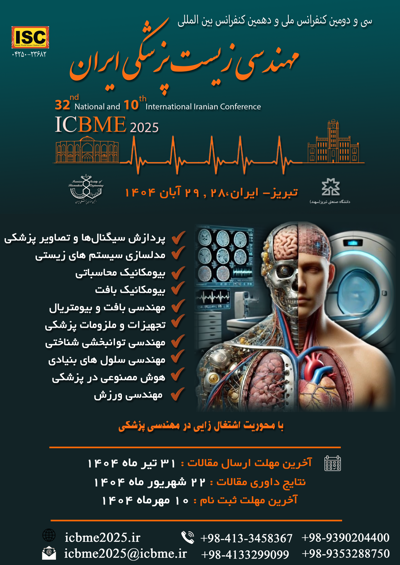
سی و دومین کنفرانس ملی و دهمین کنفرانس بین المللی مهندسی زیست پزشکی ایران
Microfluidic Flow-Focusing Systems for Alginate Microcapsule Preparation: Tuning Droplet Size and Frequency
نویسندگان :
Meisam Akbari laleh
1
Yasaman Pahlevanzadeh
2
Mina Shafiei
3
Javad Rahbar shahrouzi
4
1- دانشگاه صنعتی امیرکبیر
2- دانشگاه صنعتی شریف
3- دانشگاه صنعتی سهند
4- دانشگاه صنعتی سهند
کلمات کلیدی :
Microfluidics،Droplet generation،Flow-focusing،Alginate microdroplets،Level-Set method،Junction angle،Two-phase flow،Numerical simulation
چکیده :
Microencapsulation is an efficient method for protecting unstable compounds in chemical environments and has wide applications in medicine and tissue engineering. In this study, the formation of alginate microgels in a microfluidic flow-focusing device was numerically simulated using COMSOL Multiphysics 6.3 based on the Level-Set method. The results demonstrated that wall contact angle, flow rate of the phases, and the junction angle of the channels (30°, 60°, 90°, and 120°) significantly affect droplet size and generation frequency. Superhydrophobic channels (θ = 150°) facilitated stable W/O droplet formation, while hydrophilic walls failed to produce droplets. Increasing the dispersed phase flow rate (Qd) led to larger droplets and plug flow, whereas increasing the continuous phase flow rate (Qc) reduced droplet size due to enhanced shear stress. Overall, the simulation results indicate that the junction angle directly governs the balance between viscous shear forces and interfacial tension. Narrower angles favor shear-dominated breakup with smaller, more monodisperse droplets, whereas wider angles shift the mechanism toward pressure-driven pinch-off, producing larger droplets with lower throughput. Therefore, the channel intersection angle serves as an effective design parameter for tuning droplet size distribution and generation rate in microfluidic systems.
لیست مقالات
لیست مقالات بایگانی شده
مطالعه کامپوزیتهای سرامیکی هیدروکسیآپاتیت جهت استفاده در کاشتنیهای استخوانی
میلاد بدر - مهدیه سلطانعلیپور - جعفر خلیلعلافی
تاثیر هوش مصنوعی بر فرآیند تصمیمگیری دراستراتژیهای بازاریابی
مهدی بهشتی مقدم
تاثیر هوش مصنوعی بر تجارت الکترونیک: تحول توسعه، تجربه مشتری و عملیات تجاری
سجاد یوسفی - مریم پور نجف - مازیار دوستی تنها
Emotion Recognition from EEG signal using GA-FLANN with Whale Optimization Algorithm
Mohammadamir Razmi - Pouya Faridfar - Seyed Amirreza Navali Hosseini alavi
Synthesis and Characterization of an Injectable Magnetic Scaffold Based on Alginate/Chitosan and Zero-Valent Iron for Hyperthermia
Mohammad Jafari Fashtami - Bahareh Khalilivavdareh - Delaram Dezfoulian - Maryam Tajabadi
Assessing the Risk of Musculoskeletal Injuries of Workers at the Warehousing Workstation of Iran Tire Company
Mahshad Nazari Jeirani - Amirhossein Mohammadzadeh - Seyedeh Shokouh Azam Mirdamadi - Mohadeseh Sadat Shahangian - Navid Arjmand
طراحی چارچوب شخصیسازیشده درمان بیماری MS مبتنی بر یادگیری تقویتی عمیق SAC
مریم سبزه یان - محبوبه سبزه یان - امین نوری - ماندانا سادات غفوریان
حسابداران مدیریت و حسابداری مدیریت استراتژیک نقش فرهنگ سازمانی و سیستمهای اطلاعاتی
حبیب عباس فرمند
مدلسازی تصمیمگیری چندمعیاره در سیستمهای صنعتی با تأکید بر انتخاب ابزار هوشمند تحلیل داده
مهتاب شرافتی
بررسی چالش ها و راهکارهای مدیریت منابع در شبکه های بی سیم اینترنت اشیا با تمرکز بر محاسبات مه و لبه
سعیده نادری - سید حمید غفوری مهدی آباد
بیشتر
19 اردیبهشت 1405
راهنمای انتخاب کنفرانس معتبر برای چاپ مقاله علمی
19 اردیبهشت 1405
چرا شرکت در کنفرانسهای علمی برای مصاحبه دکتری اهمیت دارد؟
21 اردیبهشت 1405
پذیرش سریع مقاله در کنفرانسهای علمی مهندسی و فناوری آغاز شد
21 اردیبهشت 1405
آغاز ثبتنام در همایشهای بینالمللی مدیریت و حسابداری
ثمین همایش، سامانه مدیریت کنفرانس ها و جشنواره ها - نگارش 44.7.0