لطفا منتظر بمانید ...
0% Complete
English
☰
صفحه اصلی
کنفرانسهای فعال
مدیریت منابع انسانی پایدار
حسابداری
بازاریابی و برندینگ در عصر هوش مصنوعی
هوش مصنوعی:نوآوری، کسبوکار و آموزش
ارشیو کنفرانسها
اولین کنفرانس ملی هوش مصنوعی
دومین کنفرانس ملی هوش مصنوعی
اولین کنگره ملی حسابداری، مالی و مالیاتی
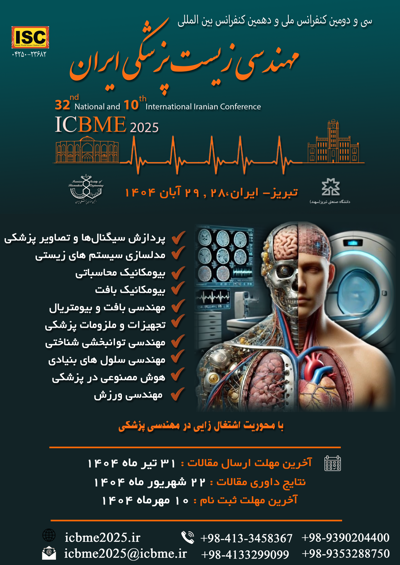
32کنفرانس بین المللی زیست پزشکی
راهنمای شرکت
نحوه ثبتنام
ثبت نام مدیریت منابع انسانی پایدار
ثبت نام دومین کنگره ملی حسابداری
ثبت نام سومین کنفرانس ملی هوش مصنوعی
ثیت نام بازاریابی و برندینگ در عصر هوش مصنوعی
ثبت نام زنجیره ارزش نفت گاز و پتروشیمی
ارسال مقاله
فرمت مقالات مدیریت منابع انسانی پایدار
فرمت مقالات سیستم های هوشمند حسابداری
فرمت مقالات ملی بازاریابی و برندینگ در عصر هوش مصنوعی
فرمت مقالات سومین کنفرانس هوش مصنوعی
سوالات متداول
اخبار و رویدادها
درباره ما
تماس با ما
صفحه اصلی
/
سی و دومین کنفرانس ملی و دهمین کنفرانس بین المللی مهندسی زیست پزشکی ایران
Kinematic Synergy Reconstruction Analysis for Assessing Gait Complexity and Adaptability in Children With Cerebral Palsy
نویسندگان :
Mahshad Nazari Jeirani
1
Yasamin Azmi
2
Mahya Shojaeefard
3
Masoud Yousefi
4
Farzam Farahmand
5
1- Department of Mechanical Engineering/Sharif University of Technology
2- Department of Mechanical Engineering/Sharif University of Technology
3- Djavad Mowafaghian Research Center
4- Department of Mechanical Engineering/Sharif University of Technology
5- Department of Mechanical Engineering/Sharif University of Technology
کلمات کلیدی :
Cerebral palsy،gait،Joint coordination،Coordination variability،Kinematic synergy
چکیده :
Cerebral palsy is the most common motor disability in childhood, often leading to impaired gait and reduced adaptability in motor control. Quantifying the complexity and variability of joint coordination patterns can provide valuable insight into underlying neuromuscular deficits and inform rehabilitation strategies. This study examined motor coordination and its variability in children with spastic diplegic cerebral palsy compared with typically developing children, using kinematic synergy reconstruction analysis. A total of 150 participants (120 CP, 30 TD; aged 5-13 years) were assessed, with children with cerebral palsy classified into four gait subgroups, including True, Jump, Apparent, and Crouch. Gait kinematic data were analyzed using non-negative matrix factorization, and synergy variability was quantified via variance accounted for (VAF). Results showed that children with CP required fewer synergies than the TD group, with a progressive reduction in synergy count as the severity of gait impairment increased. Also, all CP groups, except the True group, demonstrated significantly lower VAF variability of single synergy, indicating more rigid and less adaptable gait patterns. These findings highlight the utility of kinematic synergy analysis for characterizing motor control deficits.
لیست مقالات
لیست مقالات بایگانی شده
Application of Attention Mechanisms in Deep Learning Models for COVID-19 Detection and Classification from Medical Images: A Systematic Review
Jafar Abdollahi - Babak Nouri-Moghaddam - Abbas Mirzaei
تحلیل مقایسهای الگوریتمهای یادگیری ماشین در تحلیل دادهها: دستهبندی، کاربردها و چالشها
کیانا سادات تقوی - آزیتا شیرازی پور - سید جواد میر عابدینی
بهبود تشخیص تومور مغزی با استفاده از ترکیب شبکه های عمیق به روش رای اکثریت
مریم صباغ کاخکی - عقیله حیدری
هوش مصنوعی در توسعه علوم پایه: راهکارهای عملی برای تحقق تحول علمی و صنعتی
سارا سهیلی
Short-term gains vs. long-term Success: Reward strategy design for reinforcement learning in football
Mohammad Pashaei - Amirhossein Tayebi - Hadi Amiri - Ali Fahim
Investigating the impact of arm swing on lower limb forces using machine learning techniques
Mohammad Reza Seidgar - Hadi Farahani - Mostafa Rostami - Elham Naziri - Sadegh Madadi
بررسی تاثیر ارزش ویژه برند بر هوشمندسازی رفتار تبلیغاتی مصرفکنندگان موبایل با نقش میانجی گری عشق به برند(مطالعه موردی: برند سامسونگ)
زهرا علی میرزائی - حسین بوداقی
افزایش تاب آوری سایبری با تلفیق بلاکچین و هوش مصنوعی: به کارگیری قراردادهای هوشمند جهت جلوگیری از تغییر سطح دسترسی مهاجم در حملات APT
شهرام حاج غنی - فرزانه عبدالرحیمی - زهره ابوالهادی
Benchmarking nnU-Net vs. Custom 3D U-Net for Kidney Tumor Segmentation: A Controlled Study on KiTS19 Dataset
Ariya Soleimany - Masoud Noroozi - Mohammad Saber Azimi - Alireza Karimian - Jafar Majidpour - Hossein Arabi
Fixed-Frequency Impedimetric Detection of Sickle Cells Using Interdigitated Electrodes
َArezoo Savlani - Mobina Ghanbari - Mohammadjavad Bouloorchi Tabalvandi - Majid Badieirostami
بیشتر
19 اردیبهشت 1405
راهنمای انتخاب کنفرانس معتبر برای چاپ مقاله علمی
19 اردیبهشت 1405
چرا شرکت در کنفرانسهای علمی برای مصاحبه دکتری اهمیت دارد؟
21 اردیبهشت 1405
پذیرش سریع مقاله در کنفرانسهای علمی مهندسی و فناوری آغاز شد
21 اردیبهشت 1405
آغاز ثبتنام در همایشهای بینالمللی مدیریت و حسابداری
ثمین همایش، سامانه مدیریت کنفرانس ها و جشنواره ها - نگارش 44.7.0